

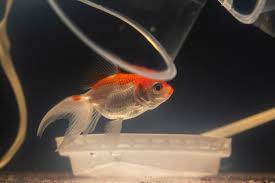
Goldfish are among the most beloved and iconic freshwater fish in the world. Their bright orange, red, and yellow hues make them stand out in aquariums and ponds, bringing life and color wherever they swim. However, many goldfish owners eventually notice something puzzling — their once-vibrant goldfish begins to turn black.
At first, this change might seem alarming, especially if the black coloration appears suddenly or spreads quickly. You might wonder whether your goldfish is sick, if the water is unsafe, or if it’s simply a natural process. The truth is, goldfish turning black can result from a variety of factors, some completely harmless and others requiring immediate attention.
In this detailed guide, we’ll explore why goldfish turn black, the different causes behind it, and what you can do to prevent or manage this change.
1. Natural Color Changes: A Common Reason Goldfish Turn Black
Before jumping to health concerns, it’s important to know that goldfish can naturally change color over time. This is part of their genetic makeup.
Goldfish are descendants of wild carp, which often have duller colors like brown, gray, or olive green. Through selective breeding, humans developed the beautiful orange, red, white, and yellow shades we see today. However, these color changes aren’t always stable — pigmentation can shift as the fish ages.
Genetic Pigment Changes
Goldfish color is determined by several types of pigment cells:
- Melanophores (black/brown pigment)
- Xanthophores (yellow pigment)
- Erythrophores (red pigment)
- Iridophores (reflective pigment cells)
Sometimes, environmental factors or aging activate melanophores, causing parts of the fish to darken. This is a genetic and natural process, especially common in younger goldfish that are still developing their adult coloration.
So, if your goldfish is otherwise healthy and active, and the black color appears gradually, it might simply be a natural pigmentation change.
2. Ammonia Burns: A Serious and Common Cause of Black Spots
One of the most common (and dangerous) reasons a goldfish turns black is due to ammonia burns.
What Is Ammonia?
Ammonia is a toxic chemical that naturally builds up in fish tanks from:
- Uneaten food
- Fish waste
- Decaying plants or organic matter
If your aquarium’s filtration or cleaning routine isn’t sufficient, ammonia levels can quickly rise — especially in small tanks or those that are newly set up and not yet “cycled.”
How Ammonia Burns Affect Goldfish
When ammonia levels become too high, it burns the goldfish’s skin and gills, causing irritation and damage. Initially, the burned area may appear red or inflamed, but as the skin starts to heal, black patches often appear — much like a scab forming over a human wound.
So, if your goldfish has suddenly developed black spots, particularly near the fins, gills, or along the body, it could be a sign of ammonia burns healing.
How to Fix It
- Test your water immediately.
Use an aquarium test kit to check the ammonia, nitrite, and nitrate levels.- Ammonia should be 0 ppm
- Nitrite should be 0 ppm
- Nitrate should be below 40 ppm
- Perform a partial water change.
Replace 25–50% of the tank water with clean, treated water to lower toxin levels. - Clean the tank and check the filter.
Remove any uneaten food, debris, or waste. Make sure your filter is properly functioning. - Avoid overfeeding.
Overfeeding is one of the top causes of ammonia buildup. - Add beneficial bacteria.
Use a bacterial supplement to help balance your aquarium’s nitrogen cycle.
If the black marks are due to ammonia burns, they may fade as your fish heals and the water conditions improve.
3. Poor Water Quality and Environmental Stress
Goldfish produce a large amount of waste, and if the tank or pond isn’t well maintained, poor water quality can quickly cause stress — leading to various health and color changes.
High levels of nitrates, chlorine, or pH imbalances can all contribute to black discoloration. Sometimes, prolonged exposure to such stressors can permanently alter pigment expression in goldfish skin.
Signs of Stress in Goldfish
- Lethargy or sluggish movement
- Loss of appetite
- Gasping at the surface
- Clamped fins or hiding behavior
- Sudden color fading or darkening
How to Prevent It
- Perform regular water changes (20–30% weekly).
- Keep the tank well-aerated with an air stone or bubbler.
- Maintain stable water temperature (between 68–74°F or 20–23°C).
- Use a good-quality water conditioner to neutralize chlorine and heavy metals.
- Avoid overcrowding — goldfish need at least 20 gallons per fish.
A clean, stable environment keeps your goldfish’s immune system strong and its colors vibrant.
4. Disease or Parasites
In some cases, goldfish turning black may indicate underlying illness or parasite infestations. For example, black spot disease (also called diplopstomiasis) is caused by parasitic flatworms. The larvae burrow into the goldfish’s skin, creating small black cysts as the immune system reacts.
Symptoms of Black Spot Disease
- Tiny, round black dots scattered over the body or fins
- Scratching or rubbing against objects
- Reduced activity or loss of appetite
- Visible irritation or inflamed areas
This condition is more common in outdoor ponds where snails and birds serve as intermediate hosts for the parasite.
Treatment
- Quarantine the affected fish.
- Clean and vacuum the pond or tank to remove snail eggs and waste.
- Eliminate snails (the parasite’s intermediate host).
- Use anti-parasitic treatments (consult your local aquarium specialist).
- Maintain good water hygiene and reduce stress.
Early detection and proper care usually resolve the problem before it becomes life-threatening.
5. Diet and Nutrition
Goldfish coloration depends heavily on their diet. Pigments from foods — especially carotenoids — help maintain their orange and red tones. If a goldfish isn’t receiving a balanced diet, its color may fade or darken.
A lack of certain vitamins or nutrients can cause dull or blackened areas on the body.
Tips for a Healthy, Color-Enhancing Diet
- Feed high-quality goldfish pellets or flakes with natural color enhancers.
- Include foods rich in beta-carotene and spirulina.
- Offer fresh vegetables like peas, lettuce, or spinach occasionally.
- Avoid overfeeding — too much food can foul the water and lead to other problems.
A well-balanced diet not only keeps your goldfish healthy but also preserves its bright and beautiful color.
6. Aging and Color Maturation
Just like humans, goldfish change as they grow older. Many goldfish start out a darker color, sometimes brown or bronze, and then lighten into gold, white, or orange as they mature. However, this process can also go in reverse.
As goldfish age, their pigmentation cells can shift, and melanin (black pigment) may increase in certain areas. This is completely normal and not a cause for concern if your fish remains active and healthy.
7. Genetics and Breeding Factors
Some goldfish varieties, such as Shubunkins or Black Moors, are naturally prone to darker or mixed coloration. Even within the same brood, siblings can show drastically different color patterns due to genetic variation.
Selective breeding can result in color instability, meaning your fish’s appearance might gradually evolve throughout its life.
So, if your goldfish is a calico, Shubunkin, or mixed-breed, a shift toward black coloring could be part of its natural genetic expression — not a health problem.
8. When to Worry and Seek Help
While many color changes are harmless, certain signs mean it’s time to take action:
- Rapid or patchy black discoloration
- Black spots accompanied by red streaks or ulcers
- Lethargy, loss of appetite, or erratic swimming
- Signs of infection (white fuzz, swollen areas)
- Gasping at the water’s surface
If you notice any of these symptoms, consult a veterinarian specializing in fish or a local aquarium expert. They can perform a water test and health assessment to identify the exact cause.
9. Preventing Black Coloration in Goldfish
Here’s a quick checklist to keep your goldfish healthy and its color bright:
- Keep ammonia and nitrite levels at 0 ppm.
- Perform weekly water changes (20–30%).
- Avoid overfeeding.
- Provide proper tank size and filtration.
- Use color-enhancing food with carotenoids.
- Maintain stable water temperature and pH.
- Observe your goldfish daily for any behavioral or physical changes.
A well-maintained aquarium is the best defense against unwanted color changes or disease.
Final Thoughts
So, why do goldfish turn black? The answer depends on context. Sometimes it’s simply genetics or natural aging, while other times it’s a sign of ammonia burns, stress, or parasites. The key is observation — watch your fish’s behavior, test your water regularly, and act quickly if something seems off.
Black coloration doesn’t always mean something is wrong; it can even indicate healing. However, maintaining clean water, balanced nutrition, and a stress-free environment ensures your goldfish stays healthy and as brightly colored as nature intended.
