

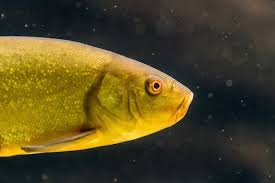
When we think of fishes, the first images that usually come to mind are their shimmering scales, elegant fins, and darting movements through water. But some fishes stand out not because of their speed or colors, but because of their big foreheads. Yes, you read that right—there are fishes in nature that have unusually large, bulbous, or protruding foreheads, making them some of the most unique and fascinating aquatic creatures in the world.
In this blog, we’ll dive deep into the world of fishes with big foreheads, exploring what makes them special, why they have such distinct features, and which species are most famous for this quirky trait. By the end, you’ll see that these “big-headed” wonders are much more than just funny-looking fish—they’re evolutionary marvels with fascinating behaviors and stories behind their unusual appearances.
Why Do Some Fishes Have Big Foreheads?
Before naming species, it’s important to ask: why do some fishes develop such exaggerated foreheads in the first place? The large foreheads are usually not random but serve specific purposes:
- Sexual Selection
In many species, males develop large humps or foreheads during the breeding season to attract females. The bigger the hump, the more impressive the male looks, signaling strength and genetic fitness. - Territorial Display
Big foreheads can make a fish look larger and more intimidating to rivals. This helps in protecting their territory or asserting dominance. - Fat Storage
In some fishes, the hump is partly made up of fat reserves, which can be used during migration or breeding seasons when energy demands are high. - Hydrodynamics and Buoyancy
Although less common, some researchers believe the forehead shape in certain fish may assist with swimming balance or hydrodynamic efficiency.
So, while it may look odd or comical to us, these forehead bumps often serve practical roles in the fish’s survival and reproduction.
Famous Fishes with Big Foreheads
Now let’s explore some of the most iconic fishes known for their large foreheads.
1. Napoleon Wrasse (Humphead Wrasse)
- Scientific name: Cheilinus undulatus
- Habitat: Coral reefs of the Indo-Pacific
- Forehead feature: A massive, protruding hump on the forehead
The Napoleon Wrasse, also known as the Humphead Wrasse, is one of the most famous fishes with a large forehead. Males can grow up to 6 feet long and weigh over 400 pounds. Their defining feature is the enormous bulge on their forehead, which gets bigger as they age. This hump makes them look prehistoric and intimidating, but in reality, they are gentle giants. Sadly, they are endangered due to overfishing and habitat loss.
2. Dolphin Cichlid (Frontosa Cichlid)
- Scientific name: Cyphotilapia frontosa
- Habitat: Lake Tanganyika in East Africa
- Forehead feature: A pronounced nuchal hump
This freshwater fish is adored by aquarium enthusiasts. The male Frontosa Cichlid develops a large forehead hump as a display of maturity and dominance. In aquariums, their regal appearance and slow, graceful swimming make them highly prized.
3. Flowerhorn Cichlid
- Scientific name: Hybrid species (man-made)
- Habitat: Man-made aquariums
- Forehead feature: A massive, rounded “kok” (nuchal hump)
Unlike many natural species, the Flowerhorn Cichlid is a man-made hybrid developed in Asia. Breeders selected fish with the largest head humps, creating this iconic aquarium species. The forehead hump, called a kok, is fleshy, rounded, and exaggerated—almost cartoonish. Flowerhorns are believed to bring good luck and prosperity, making them especially popular in Asian cultures.
4. Parrotfish
- Scientific name: Family Scaridae
- Habitat: Tropical and subtropical reefs
- Forehead feature: Bulging, rounded forehead
Parrotfish are known for their beak-like mouths used for scraping algae from coral reefs. But many species also have noticeable foreheads, giving them a comical, oversized look. Their bright colors combined with their distinctive head shapes make them stand out among reef fish.
5. Humphead Parrotfish
- Scientific name: Bolbometopon muricatum
- Habitat: Indo-Pacific coral reefs
- Forehead feature: Large bony hump on the head
While parrotfish in general have bulging foreheads, the Humphead Parrotfish takes it to the next level. This species has a prominent bony hump and uses its powerful head to ram into coral to break it apart and feed on algae. They can grow up to 4 feet long, making them the largest parrotfish species.
6. Oranda Goldfish
- Scientific name: Carassius auratus auratus
- Habitat: Aquariums (domesticated species)
- Forehead feature: A fleshy “wen” growth over the head
The Oranda Goldfish is a domesticated variety of goldfish that has been bred for its unique head growth called a wen. This fleshy, bumpy forehead looks like a crown or hood, giving the Oranda a distinct, ornamental appearance. They are beloved by goldfish hobbyists and symbolize wealth and luck in some cultures.
7. Giant Gourami
- Scientific name: Osphronemus goramy
- Habitat: Freshwaters of Southeast Asia
- Forehead feature: Protruding dome-shaped forehead in adults
The Giant Gourami is another freshwater fish with a noticeable forehead hump. As males age, their heads become more pronounced, giving them a distinguished, almost “wise” look. They are often kept in ponds and large aquariums, where they live long lives and grow very large.
8. Mahi-Mahi (Dolphinfish)
- Scientific name: Coryphaena hippurus
- Habitat: Warm ocean waters worldwide
- Forehead feature: Steep, sloping forehead in males
Mahi-Mahi, also known as dolphinfish (not to be confused with dolphins), are prized for their vibrant colors and excellent taste. Male Mahi-Mahi, known as bulls, have a distinctively high, blunt forehead compared to females. Their big foreheads make them instantly recognizable when caught.
Cultural Significance of Big-Foreheaded Fishes
In many cultures, fishes with big foreheads are not just biological oddities but hold deeper meanings:
- Symbol of Luck: Flowerhorn and Oranda Goldfish are considered symbols of good fortune, prosperity, and happiness.
- Power and Dominance: Species like the Napoleon Wrasse and Humphead Parrotfish use their foreheads as signs of strength and dominance.
- Aquarium Hobby: These fishes often become prized possessions in aquariums because their unusual features spark curiosity and admiration.
Conservation Concerns
While some forehead fish thrive in aquariums, many wild species face serious threats. Overfishing, habitat destruction, and climate change have placed species like the Napoleon Wrasse and Humphead Parrotfish on endangered or vulnerable lists. Protecting coral reefs and regulating fishing practices are essential to preserving these fascinating creatures.
Fun Facts about Fishes with Big Foreheads
- The Napoleon Wrasse can live up to 30 years and even longer in the wild.
- The Flowerhorn’s kok can actually shrink or grow depending on diet, genetics, and water conditions.
- Oranda Goldfish require special care because their head growth (wen) can sometimes obstruct vision or cause infections.
- Mahi-Mahi grow incredibly fast—reaching full size in less than a year—and their large forehead helps distinguish sexes.
Conclusion
“Fishes with big foreheads” may sound like an odd search term, but as we’ve explored, these species are some of the most fascinating in the aquatic world. From the majestic Napoleon Wrasse with its hump of power to the ornamental Oranda Goldfish with its crown-like wen, these forehead-heavy fishes remind us of nature’s creativity and diversity.
