

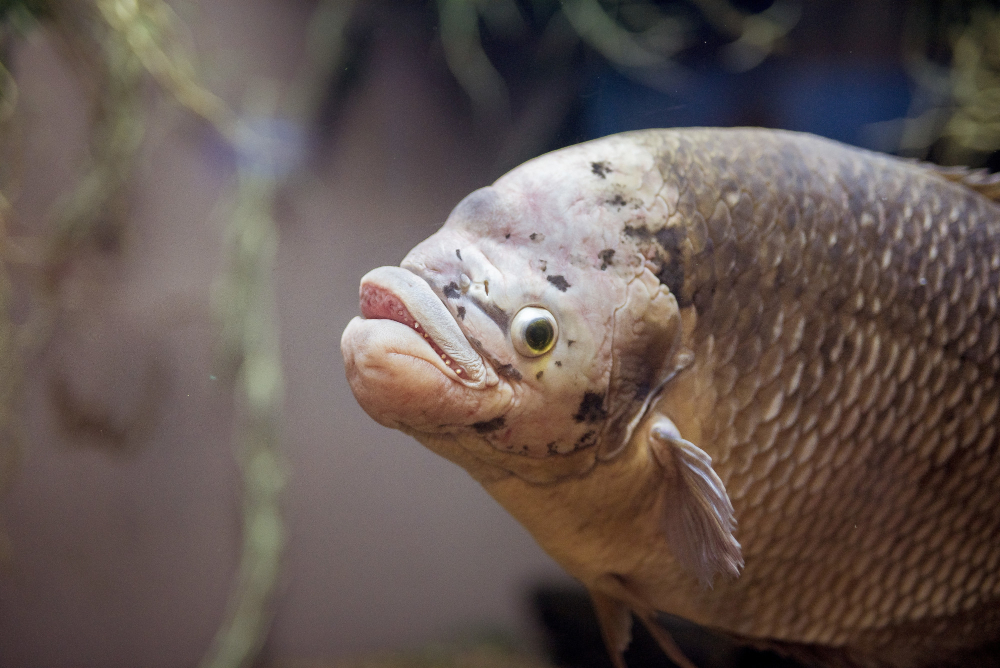
When it comes to the animal kingdom, unusual physical features often capture human curiosity. Some creatures stand out because of their colors, others because of their size, and some because of quirky anatomical traits. One such remarkable creature that often sparks intrigue is the “big forehead fish.” While the term itself might sound humorous or like a playful nickname, it generally refers to a group of fish species with distinctively prominent foreheads. These unusual head structures have fascinated marine biologists, aquarium hobbyists, and casual observers alike.
In this comprehensive article, we’ll dive deep into the world of big forehead fish, exploring what they are, why they look the way they do, the cultural significance of their unusual appearance, and how they are cared for in aquariums. By the end, you’ll understand why these aquatic oddballs deserve a spot in the limelight.
What Is a “Big Forehead Fish”?
The phrase “big forehead fish” is not an official scientific classification, but rather a common descriptor. It usually refers to certain species of freshwater and saltwater fish that have enlarged head humps or pronounced foreheads.
Some of the most well-known examples include:
- Flowerhorn Cichlid – One of the most famous aquarium fish with a bulging forehead. The hump is known as a nuchal hump or kok, and it’s a result of selective breeding.
- Dolphin Cichlid (Cyrtocara moorii) – A freshwater fish from Lake Malawi in Africa with a rounded forehead, resembling a dolphin’s profile.
- Asian Sheepshead Wrasse (Semicossyphus reticulatus) – A saltwater species with a strikingly large forehead that grows more prominent with age.
- Midas Cichlid (Amphilophus citrinellus) – Another freshwater species where males often develop large humps during breeding seasons.
- Giant Gourami – Sometimes develops slight forehead bulges as it matures.
So, while “big forehead fish” might sound like a funny label, it actually encompasses a fascinating group of species known for their unique cranial development.
Why Do Some Fish Have Big Foreheads?
The oversized foreheads of these fish are not just random deformities—they serve purposes that can be explained through biology and evolution.
1. Sexual Selection
In many species, the forehead hump is a secondary sexual characteristic. Males often develop larger humps to attract females. A bigger hump may signal good health, genetic fitness, and dominance.
2. Territorial Advantage
In aggressive fish like cichlids, a larger head hump can intimidate rivals. This makes the fish more successful at defending territories, especially during breeding seasons.
3. Storage of Nutrients
Some scientists believe the fatty tissue in forehead humps serves as an energy reserve. This can help males during breeding periods when they spend more time guarding nests than foraging.
4. Result of Selective Breeding
In ornamental fish like the Flowerhorn cichlid, the big forehead is not entirely natural—it’s the product of intentional breeding by humans. Over the years, hobbyists have selected fish with the most pronounced humps, exaggerating the trait in each generation.
Cultural and Symbolic Importance
The big forehead fish is not only a biological curiosity but also holds cultural symbolism in various parts of the world.
- Feng Shui & Good Luck Charms: In many Asian cultures, especially in China and Thailand, the Flowerhorn fish is considered a symbol of prosperity, luck, and wealth. Its forehead hump is believed to resemble a gold ingot or lucky charm.
- Status Symbols: Because rare Flowerhorns with large humps can fetch high prices, owning one has become a status symbol among aquarium hobbyists.
- Aquarium Competitions: Fish with the biggest and most symmetrical foreheads often win prizes at competitive fish shows.
Thus, the big forehead is not just a quirky trait—it has become a celebrated feature in ornamental fish culture.
Popular Types of Big Forehead Fish
Let’s take a closer look at some standout species:
1. Flowerhorn Cichlid
- Origin: Hybrid species bred in Southeast Asia in the 1990s.
- Forehead Feature: Large, bulbous “kok” hump.
- Personality: Territorial, intelligent, and sometimes aggressive.
- Popularity: Extremely popular in Asia due to cultural beliefs about good fortune.
2. Dolphin Cichlid (Cyrtocara moorii)
- Origin: Lake Malawi, Africa.
- Forehead Feature: Rounded forehead resembling a dolphin’s nose.
- Personality: Generally peaceful compared to other cichlids.
- Popularity: Attractive for community tanks with African cichlids.
3. Asian Sheepshead Wrasse
- Origin: Waters around Japan, Korea, and China.
- Forehead Feature: Massive forehead in adult males.
- Personality: Solitary and territorial in the wild.
- Popularity: Rare in home aquariums due to size but admired in public aquariums.
4. Midas Cichlid
- Origin: Central America.
- Forehead Feature: Forehead hump develops during breeding.
- Personality: Aggressive and dominant.
- Popularity: Favored by experienced aquarists who enjoy bold, colorful fish.
Caring for Big Forehead Fish in Aquariums
If you’re considering keeping a big forehead fish in your aquarium, there are some important things to know.
1. Tank Size
Many species like Flowerhorns and Midas cichlids require large tanks (at least 55–75 gallons) due to their size and territorial behavior.
2. Diet
These fish thrive on a protein-rich diet of pellets, frozen shrimp, worms, and occasional vegetables. Specialized foods are also available to enhance head hump growth, particularly for Flowerhorns.
3. Water Conditions
- Maintain stable temperatures between 75–82°F (24–28°C).
- pH requirements vary depending on the species, but most prefer slightly alkaline water.
- Strong filtration is essential due to their messy eating habits.
4. Tank Mates
Because of their territorial behavior, some species (like Flowerhorns) are best kept alone. Others, like Dolphin cichlids, can be kept in community tanks with compatible species.
5. Health Concerns
Their prominent heads don’t usually cause health issues, but poor water conditions can lead to infections or deformities. A clean environment and balanced diet are crucial.
Fun Facts About Big Forehead Fish
- The Flowerhorn’s hump is sometimes so large it looks like the fish is wearing a helmet.
- Some aquarists claim Flowerhorns can recognize their owners and even interact through the glass.
- In the wild, large foreheads often mean maturity and dominance, making them crucial for survival.
- A prized Flowerhorn with a massive kok once sold for tens of thousands of dollars in Asia.
Why Are People So Fascinated by Them?
Humans are naturally drawn to unusual features, and the big forehead fish checks all the boxes:
- They look strange yet majestic.
- They carry cultural meaning in terms of luck and prosperity.
- They showcase human influence on evolution through selective breeding.
- They are beautifully unique pets for dedicated aquarists.
In many ways, these fish embody the intersection of nature, culture, and human curiosity.
Conclusion
The so-called big forehead fish may sound like a funny nickname, but it represents a fascinating group of species with unique biological, cultural, and aesthetic significance. From the lucky Flowerhorns of Asia to the majestic Sheepshead Wrasse of the Pacific, these creatures prove that beauty in nature comes in many unexpected forms.
