

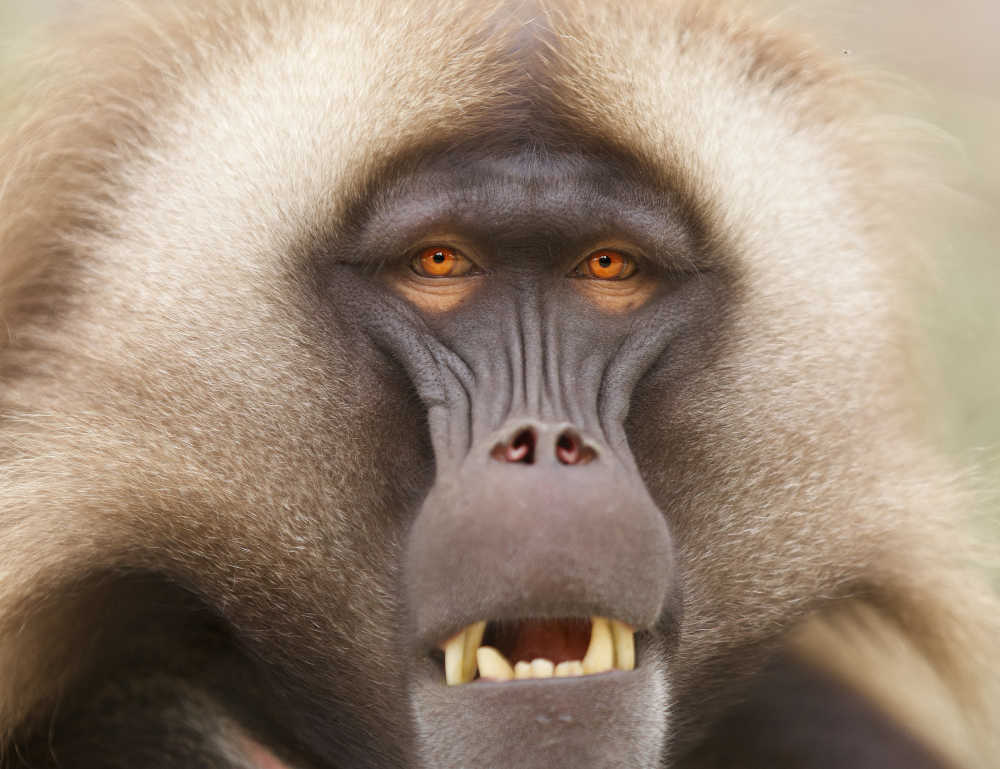
When we think about animals, the first features that usually come to mind are claws, tails, or sharp teeth. But sometimes, the most fascinating trait lies right on their heads: their foreheads. While humans often worry about having a “big forehead,” in the animal kingdom, this trait can be a sign of strength, intelligence, sensory advantage, or simply evolution’s sense of humor. From mammals to fish and even insects, big foreheads serve different purposes that help animals thrive in their environments. In this post, we’ll explore the most well-known big forehead animals, why they have them, and the surprising roles they play in survival.
Why Do Some Animals Have Big Foreheads?
Before diving into the list of species, it’s important to understand the “why.” Unlike humans, where a larger forehead is often a matter of genetics and skull shape, animals often develop big foreheads due to evolutionary needs. Here are some common reasons:
- Intelligence and Brain Size – In mammals like dolphins, a larger forehead area houses bigger brains. This can be linked to problem-solving, communication, and social behavior.
- Storage of Specialized Organs – Some animals, such as sperm whales, use the space in their foreheads to hold organs like the spermaceti organ, crucial for echolocation and buoyancy control.
- Sexual Selection – In species like the hammerhead shark or some beetles, exaggerated forehead structures may play a role in attracting mates or fighting rivals.
- Fat and Tissue Deposits – Many aquatic animals, including dolphins and certain fish, have fatty tissue deposits in their foreheads to help with sound navigation and buoyancy.
- Protection and Display – A big forehead may act as armor in fights, or a showy feature to signal dominance.
Now, let’s look at some big forehead animals across the world.
1. Dolphins – The “Melon-Headed” Marine Mammals
One of the most iconic examples of big forehead animals is the dolphin. Their rounded foreheads, often called a melon, are not just for looks. This fatty tissue is used for echolocation, allowing dolphins to send and receive sound waves to locate prey and navigate murky waters.
Interestingly, dolphins’ intelligence is also tied to their forehead structure, as their large skull space accommodates a highly developed brain. This is why dolphins can learn tricks, communicate with clicks and whistles, and even show signs of self-awareness.
2. Sperm Whales – The Giants with Huge Foreheads
If dolphins have big foreheads, sperm whales take it to the extreme. Their massive heads make up nearly one-third of their entire body length, and their forehead contains the spermaceti organ, filled with waxy oil.
This unique adaptation helps them with:
- Echolocation – Sending powerful sound waves to hunt squid in the deep ocean.
- Diving – Adjusting buoyancy by cooling or warming the spermaceti oil.
- Communication – Producing the loudest sounds in the animal kingdom.
The sperm whale’s gigantic forehead makes it one of the most iconic creatures when discussing big forehead animals.
3. Orangutans – The Great Apes with “Bosses”
In the primate world, orangutans stand out with their prominent foreheads. Male orangutans, especially, develop large flanges or cheek pads, but their forehead ridges are equally pronounced.
For them, a bigger forehead is partly due to skull structure and partly a visual sign of maturity and dominance. A large forehead in orangutans may also provide extra space for their brain, making them one of the smartest primates.
4. Hammerhead Sharks – Wide Foreheads for Wider Vision
The hammerhead shark doesn’t just have a big forehead—it has one of the most unique head shapes in the animal kingdom. Their flattened, hammer-like foreheads, called a cephalofoil, serve multiple purposes:
- Vision Advantage – Their eyes are spread apart, giving them nearly 360-degree vision.
- Electroreception – Sensory organs spread across the head allow them to detect prey hidden under the sand.
- Hydrodynamics – The wide forehead helps with maneuverability while swimming.
This makes hammerhead sharks one of the most fascinating big forehead animals, with a forehead designed for survival.
5. Elephants – Gentle Giants with Dome-Like Foreheads
Elephants, the largest land mammals, also have noticeable foreheads. Their skulls are large and dome-shaped, with extra sinus cavities that lighten the head’s weight.
In Asian elephants especially, the forehead is more prominent, and the double-domed structure gives them a wise and thoughtful appearance. Their big forehead houses not only their large brain but also contributes to their exceptional memory and intelligence.
6. Beluga Whales – The “Smiling” Big Forehead Mammals
Belugas are often nicknamed “melonheads” because of their soft, rounded foreheads. Like dolphins, belugas use their foreheads for echolocation, with fatty tissue that changes shape as they send and receive sound.
Their expressive foreheads can even move slightly, giving them a “smiling” and highly expressive face, making them a favorite among whale watchers.
7. Gorillas – Strong Forehead Ridges
Gorillas, like orangutans, have large and pronounced foreheads. Their brow ridges and sagittal crests are more than just skull structures—they provide anchorage for strong jaw muscles.
A gorilla’s forehead may look intimidating, but it’s also tied to their brain size, which makes them capable of learning basic sign language and using tools in the wild.
8. Domestic Animals with Big Foreheads
Surprisingly, even common domestic animals can fall into the “big forehead” category:
- Bulldogs and Pugs – Their round, prominent foreheads give them their signature “cute but serious” look.
- Horses – Some breeds, like the Friesian, have wide, pronounced foreheads.
- Cows – Certain cattle breeds, such as Brahman, have a hump that makes their forehead look larger than average.
These animals may not have biological reasons as dramatic as whales or sharks, but their foreheads are part of what makes them visually distinctive.
9. Insects and Reptiles with Large Foreheads
While mammals dominate the big forehead conversation, even some smaller creatures have evolved noticeable foreheads.
- Beetles – Some species, like rhinoceros beetles, have exaggerated forehead horns used in combat.
- Chameleons – Their skull structure creates a bulging forehead look, which often supports their unique eye sockets and camouflage abilities.
Symbolism of Big Foreheads in Animals
Throughout history, humans have often projected symbolism onto animals with large foreheads. In some cultures, a big forehead in animals like elephants represents wisdom and intelligence. In others, animals like dolphins with rounded heads symbolize playfulness and communication.
Even in modern pop culture, animals with big foreheads—like belugas or pugs—are considered cute, endearing, or humorous.
Final Thoughts
Big foreheads in animals are more than just quirky features—they often hold the key to survival, intelligence, and uniqueness. From the massive spermaceti organ in sperm whales to the hammer-shaped head of sharks and the expressive melon of belugas, these evolutionary traits remind us that nature rarely designs something without purpose.
