

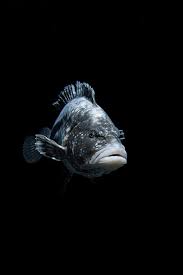
When it comes to the animal kingdom, unusual physical traits often capture human curiosity. Among fish, one of the most striking and sometimes humorous features is a big forehead. From freshwater to saltwater environments, several fish species stand out because of their noticeably protruding heads, bulbous foreheads, or nuchal humps. These fish are not only fascinating in appearance but also play important roles in their ecosystems and, in some cases, in human culture, aquariums, and fishing industries.
In this blog post, we’ll take an in-depth look at fish with big foreheads, explore why they have this unique trait, and learn about some of the most popular species known for their head shape.
Why Do Some Fish Have Big Foreheads?
The exaggerated forehead, often referred to as a nuchal hump, is more than just a quirky feature. Scientists believe it serves several purposes, depending on the species:
- Sexual Selection
In many fish, males develop large humps on their foreheads to attract females. A larger hump can be a sign of strength, maturity, and overall health. It signals to potential mates that the fish is a strong candidate for reproduction. - Social Dominance
Some fish species use their forehead size as a way to establish hierarchy. A bigger hump may intimidate rivals and reduce physical conflict within groups. - Fat Storage
In certain species, the hump functions as a storage area for fat, which can be crucial for survival during periods when food is scarce. - Hydrodynamics and Adaptation
While less common, some scientists suggest that a large forehead might slightly alter swimming dynamics, though this theory is debated.
Famous Fish with Big Foreheads
Let’s explore some of the most well-known species that are admired (and sometimes laughed at) for their oversized heads.
1. Flowerhorn Cichlid
Perhaps the most iconic aquarium fish with a big forehead is the Flowerhorn cichlid. Originally bred in Southeast Asia, this hybrid fish is instantly recognizable because of its huge kok (the fleshy nuchal hump).
- Why they’re popular: Flowerhorns are admired for their bright colors, energetic behavior, and unique head shapes. In feng shui, they’re also considered to bring luck and prosperity.
- Aquarium appeal: Their personalities make them interactive pets, but they require a lot of space and care.
2. Midas Cichlid
Native to Central America, the Midas cichlid also sports a large forehead hump, especially in dominant males.
- Behavior: They are known for their aggressive territorial behavior.
- Nuchal hump: In the wild, the hump is not always as pronounced as in aquariums, but it becomes prominent in males during breeding seasons.
3. Napoleon Wrasse (Humphead Wrasse)
Found in coral reefs of the Indo-Pacific, the Napoleon wrasse is a giant among reef fish. Its defining characteristic is the large bulge on its forehead.
- Size: This fish can grow up to 6 feet long and weigh over 400 pounds.
- Conservation status: Sadly, it is considered endangered due to overfishing and habitat loss.
- Interesting fact: It can live up to 30 years and is known for its curiosity around divers.
4. Dolphin Cichlid (Cyrtocara moorii)
Also called the blue dolphin cichlid, this freshwater fish from Africa’s Lake Malawi has a distinct forehead hump that gives it a dolphin-like profile.
- Appearance: Bright blue with a rounded forehead.
- Aquarium popularity: They are peaceful compared to other cichlids, making them a favorite in community tanks.
5. Parrot Cichlid
Another aquarium favorite, the blood parrot cichlid, sometimes develops noticeable head bulges, although not as dramatic as the flowerhorn. Their bright colors and round body shape make them stand out.
6. Humphead Glassfish
Less well-known than others, the humphead glassfish has a transparent body with a visible hump on its head. This species is a reminder of how diverse forehead shapes can be in fish.
7. Asian Sheepshead Wrasse
This fish, found in Japan, Korea, and China, has one of the most dramatic foreheads in the ocean. Its large protruding hump and drooping face give it a “wise old man” appearance.
- Unique feature: It undergoes drastic changes in head shape as it matures.
- Cultural significance: In Japan, it is sometimes revered for its unusual, human-like look.
Cultural and Symbolic Meanings
The fascination with fish that have big foreheads goes beyond biology. In many cultures, their unusual appearance has inspired myths, beliefs, and even commercial practices:
- Good luck charms: Flowerhorn cichlids are believed to bring wealth and good fortune, with the size of the hump symbolizing abundance.
- Curiosity and attraction: Large-headed fish often draw attention in public aquariums, becoming crowd favorites.
- Symbol of wisdom: In some Asian traditions, a prominent forehead (even in humans) is associated with intelligence and wisdom, and this symbolism is sometimes extended to fish.
Aquarium Care for Fish with Big Foreheads
Many of these fish are kept in home aquariums, especially cichlids like the flowerhorn, midas, and blue dolphin. However, caring for them requires responsibility:
- Tank Size: These fish grow large and need spacious tanks to thrive. A cramped environment can cause stress and aggression.
- Water Quality: Proper filtration and regular maintenance are essential, as cichlids are sensitive to poor water conditions.
- Diet: A balanced diet of pellets, live food, and vegetables helps maintain health and enhance hump size.
- Behavior: Many forehead-heavy cichlids are territorial and aggressive, so careful selection of tank mates is important.
- Longevity: With good care, species like flowerhorns can live 10–12 years, making them a long-term commitment.
Fun Facts about Fish with Big Foreheads
- The kok on flowerhorn cichlids is sometimes massaged gently by breeders to stimulate growth (though this practice is controversial).
- Some fish humps shrink outside of breeding seasons, showing how the forehead is linked to reproductive behavior.
- The hump of the Napoleon wrasse is so distinctive that it inspired its name; the forehead is said to resemble Napoleon Bonaparte’s hat.
- The Asian sheepshead wrasse has become famous on social media for its human-like face, often surprising divers.
Conservation Concerns
While many forehead-heavy fish like cichlids are bred in captivity, some wild species face serious threats:
- Overfishing: Large reef species like the humphead wrasse are targeted for food and traditional medicine.
- Habitat destruction: Coral reef damage and freshwater pollution reduce natural habitats.
- Illegal trade: Rare species are sometimes captured for the exotic aquarium trade, further endangering populations.
Conservation efforts, including marine protected areas and sustainable breeding programs, are crucial to preserve these fascinating creatures for future generations.
Conclusion
The world of fish is full of incredible diversity, and fish with big foreheads are among the most fascinating examples of nature’s creativity. Whether it’s the aquarium-friendly flowerhorn cichlid with its massive kok, the giant Napoleon wrasse roaming coral reefs, or the wise-looking Asian sheepshead wrasse, each species tells a story of adaptation, beauty, and survival.
